







Search Results for: Bourbon genome
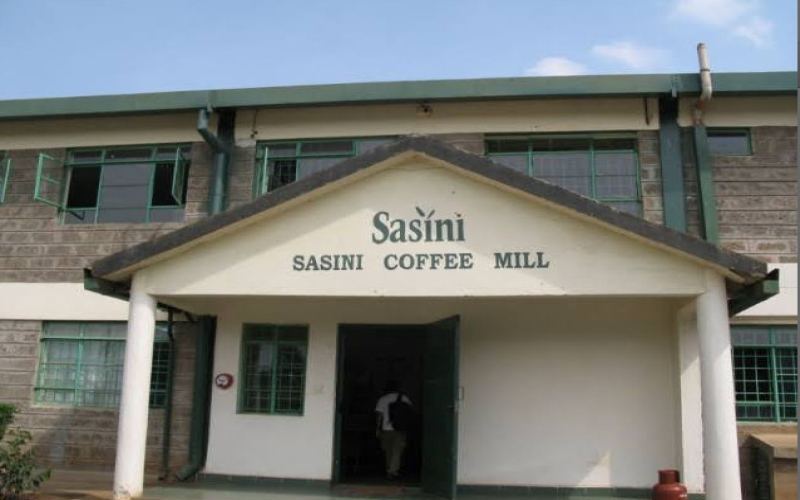
A Comprehensive Analysis of the Origin, Flavor Characteristics, and Mouthfeel of the SL28 Coffee Variety from Kenya's Kiambu Region
SL28 is one of Africa's most legendary coffee varieties. After being selected in Kenya in the 1930s, it gradually spread to African Arabica-producing regions such as Uganda, and today it has traveled even farther to Latin America. It is suited to cultivation at medium to high altitudes, is highly drought-tolerant yet susceptible to coffee diseases, and offers an elegant cup profile that often features floral notes. Front Street's Little Tomato coffee beans are precisely a combination of SL28 and SL34. This article traces the breeding history of SL28, from the establishment of the Scott Agricultural Laboratories to the discovery of drought-resistant plants in Tanzania, and then to genetic testing that confirmed its kinship with the Bourbon genome. It also presents the specific producing region, altitude, processing method, and flavor description of Front Street's Kenyan Little Tomato, giving you a comprehensive understanding of this ancient and resilient variety. [more…]
SL28 Coffee Variety Traceability and Flavor Analysis: From Kenyan Drought-Resistant Breeding to Front Street Coffee's Cherry Tomato-Like Cup Performance
SL28 is one of Africa's most legendary coffee varieties. After being selected in Kenya in the 1930s, it gradually spread to Arabica-growing regions such as Uganda, and in recent years it has traveled even farther to Latin America. It is suited to cultivation at medium to high altitudes; it is drought-tolerant yet susceptible to disease, and its flavor is exceptionally elegant, often with floral notes. Front Street Coffee's Little Tomato coffee beans are precisely a combination of SL28 and SL34, displaying layers of pear, smoked plum, yellow sugar, and more. This article will trace the history of SL28's selection and breeding at the Scott Agricultural Laboratories, sort out its genetic relationship with the Bourbon genome, and introduce specific information about Kenya's Asali processing plant, helping coffee enthusiasts fully understand this variety's origins and development as well as its potential in the cup. [more…]
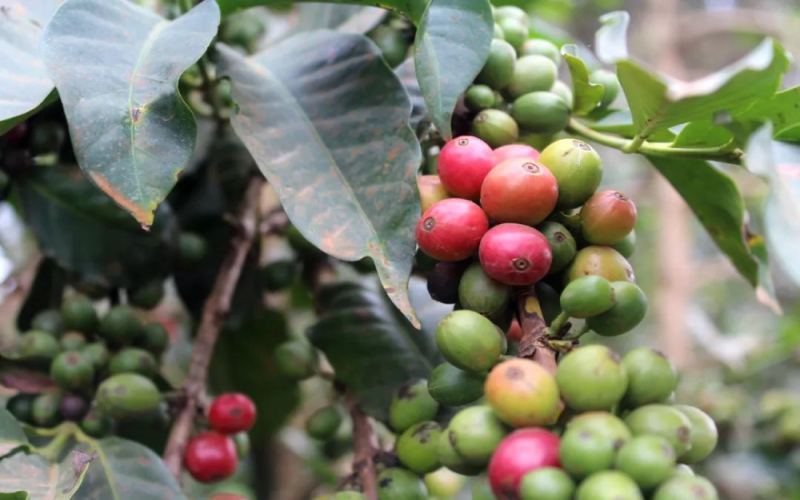
A Complete Guide to Kenyan Coffee Varieties: The Origins and Characteristics of SL28, SL34, Ruiru 11, and Batian
Kenyan coffee is renowned for its clean, translucent cup and bright, full-bodied fruit acidity. Behind this signature flavor lies both the gift of high altitudes and phosphorus-rich volcanic soil in the highlands, and a century of accumulated variety selection and breeding. From the Reunion Bourbon brought by French missionaries in the late 19th century, to SL28 and SL34 selected by the Scott Agricultural Laboratories from 42 lines, to Ruiru 11 and Batian developed to combat berry disease, Kenya's coffee variety history is a story of wrestling with disease, yield, and flavor. This article will outline the genetic origins, cultivation performance, and flavor differences of the main cultivated varieties, and introduce Front Street Coffee's Kenyan beans from the Thika region—selected from SL28 and SL34, processed with the K72 washed method, presenting notes of cherry tomato and dark plum. [more…]
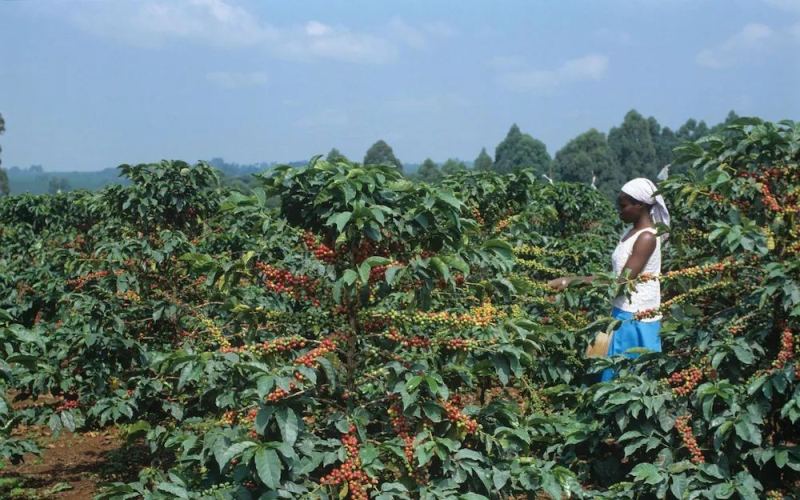
Why Is Kenyan Coffee Acidity So Intense? Unraveling the Secrets of the K72 Processing Method and the SL28 and SL34 Varieties
Kenyan coffee stands out in the world coffee landscape with its distinct and intense acidity, contrasting with the crisp and bright style of neighboring Ethiopia. This unique flavor is inseparable from the phosphoric acid-rich volcanic ash soil of the Kenyan highlands, the carefully selected SL28 and SL34 varieties, and the renowned K72 washed processing method. This article will delve into the sources of Kenyan coffee's acidity, dissecting its flavor code layer by layer—from the geographical environment and the history of variety selection to the 72-hour fermentation process. At the same time, we will introduce a Kenyan bean from Front Street Coffee, sourced from the Salia factory in the Thika region, featuring SL28 and SL34 varieties, processed with the K72 washed method, presenting bright acidity reminiscent of cherry tomatoes and smoked plums, along with a sugarcane-like sweetness. [more…]
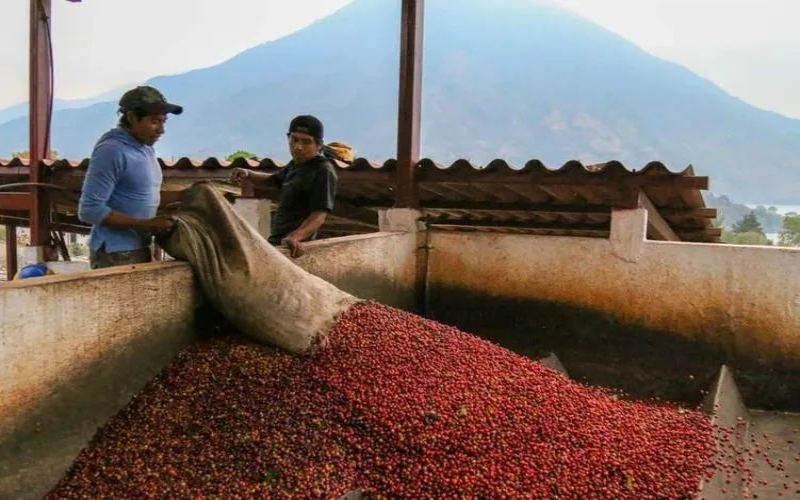
Guatemalan Coffee Growing Conditions, Development History, Main Varieties, and a Detailed Guide to Antigua La Flor del Café Beans
Guatemala is located in southern North America, where volcanic soil, tropical rainforests, and complex microclimates combine to create excellent conditions for coffee cultivation. From Jesuit missionaries bringing coffee trees to Antigua in the 18th century, to coffee rising to become an important cash crop in the mid-19th century, and then to the establishment of the National Coffee Association in 1960, Guatemala's coffee industry has traveled a winding yet solid path of development. Today, the region not only cultivates common varieties such as Bourbon, Typica, Caturra, Catuai, and Geisha, but also has developed distinctive variants such as Pache, Tekisic, and Mibirizi. Front Street Coffee has also acquired La Minita Estate's Flor del café beans from Antigua, and this article will unfold one by one from planting history, variety characteristics, to brewing performance. [more…]
Brazil Santos Coffee: A Full Overview of Bourbon Variety Flavor Profile and Growing Region Background
Brazil Santos coffee, with its full-bodied mouthfeel and intense cocoa-nutty notes, has long held a core position in espresso blends. But Santos is not a coffee variety—it is the name of a major export port in southeastern Brazil. This article provides a comprehensive analysis of the true character of Santos coffee, from the region's history, bean variety evolution, and processing methods to cupping flavors, and specifically introduces the detailed parameters and tasting points of Front Street Coffee's Brazil Santos Natural Bourbon, making it suitable reading for enthusiasts who want to deepen their understanding of Brazilian specialty coffee. [more…]
Arabica, Robusta, and Liberica: A Complete Analysis of the Origins, Characteristics, and Flavor Differences of the Three Major Coffee Bean Varieties
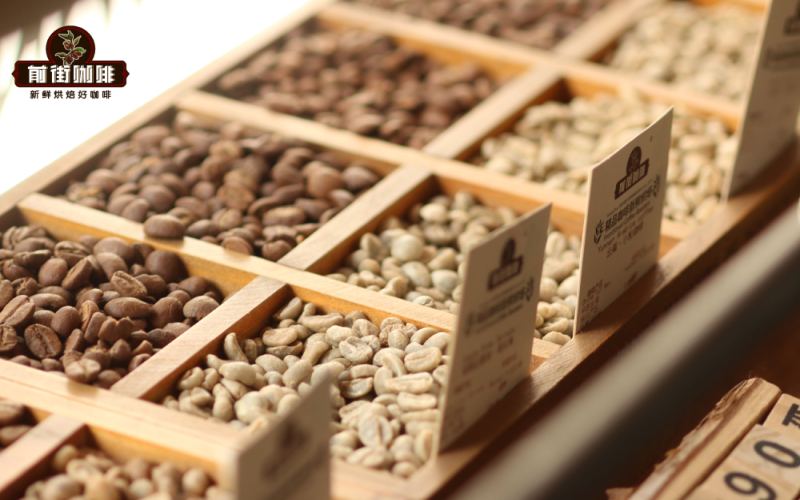
The global coffee market is dominated by three major species: Arabica, Robusta, and Liberica. Among them, Arabica accounts for about 70% of production and, with its superior flavor, has become the mainstay of specialty coffee; Robusta is highly adaptable and high in caffeine; Liberica, meanwhile, is scarce in production and has a unique flavor. This article will systematically sort out the botanical characteristics, main producing regions, and flavor differences of these three major species, and provide an in-depth introduction to well-known branches under Arabica such as Typica, Bourbon, SL28, SL34, Geisha, Caturra, and Catuai. At the same time, drawing on Front Street Coffee's cupping experience, it will help coffee lovers build a complete framework for understanding coffee varieties. [more…]
The Origin and Flavor Code of Arabica Coffee Beans: A Full Analysis from Variety Characteristics to Common Subspecies and Hybrids
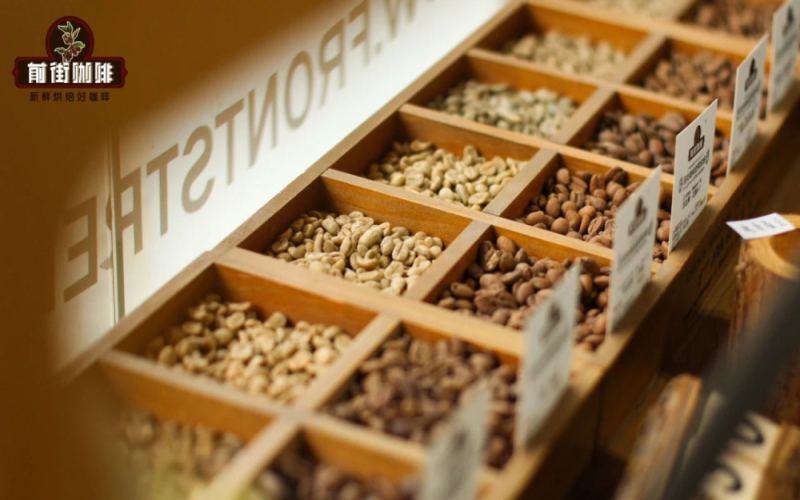
Why can Arabica coffee beans become synonymous with specialty coffee? From the perspective of Front Street Coffee, this article systematically sorts out the core differences between Arabica and Robusta in flavor, growing conditions, and caffeine content, and introduces one by one the origins and flavor characteristics of common Arabica-derived subspecies and hybrid varieties such as Typica, Bourbon, Caturra, Geisha, Catimor, and SL28. It also includes the producing regions, altitudes, processing methods, and flavor descriptions of several representative coffee beans in Front Street Coffee stores, helping coffee enthusiasts fully understand the Arabica variety system so they can more accurately select coffee beans that match their personal preferences. [more…]
Kenya Coffee Full Analysis: Seven Major Producing Regions, SL28 and SL34 Varieties, and the Flavor Characteristics of K72 Washed Processing
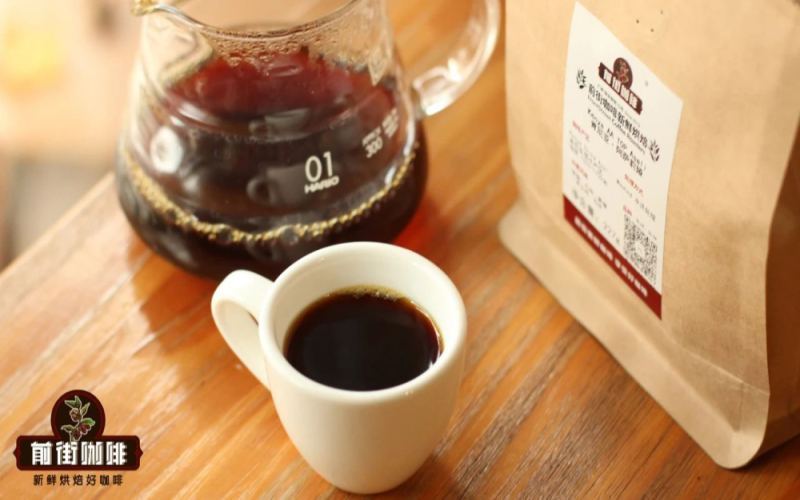
肯尼亚是非洲极具代表性的咖啡产国,以鲜明的莓果酸香闻名。本文系统梳理肯尼亚七大咖啡产区——锡卡、涅里、麒麟雅嘉、肯尼亚山西侧、祈安布、鲁伊鲁与穆兰加,重点介绍锡卡、涅里、麒麟雅嘉的风土与杯测表现;同时解析主力品种SL28与SL34的来源与豆貌特征,说明肯尼亚标志性的K72水洗处理流程,并收录前街多款肯尼亚咖啡的烘焙建议、杯测报告与V60冲煮参数,帮助咖啡爱好者完整理解肯尼亚咖啡从产地到杯中的风味逻辑。 [more…]
Flavor Comparison of Kenya's Three Major Specialty Regions: Coffee Characteristics of Thika, Nyeri, and Kirinyaga, and Analysis of SL28 and SL34 Varieties
Kenya is one of Africa's most representative coffee-producing countries, known for its bright berry-like acidity. As the specialty coffee wave advances, regional differences have drawn increasing attention. This article focuses on Thika, Nyeri, and Kirinyaga, the most renowned of Kenya's seven major producing regions, comparing their altitudes, varieties, processing methods, and cup profiles, and explains in detail the origins of the two classic varieties SL28 and SL34, as well as Kenya's signature K72 washed processing. Front Street Coffee also shares the roast curves, cupping reports, and brewing parameters for three beans—Asalia, Timani Maiden, and Mugaya—for coffee enthusiasts' reference. [more…]
A Detailed Guide to the Kenyan Coffee Bean Grading System and AA-Grade Coffee Tasting and Brewing
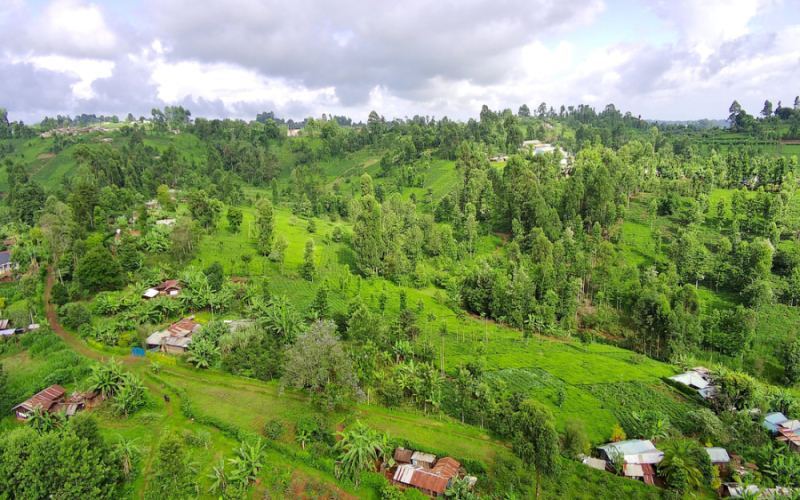
In the landscape of African specialty coffee, Kenya has always held a pivotal position. Unlike Ethiopia's bright acidity, Kenyan coffee is renowned for its full-bodied berry juice character, the acidity of smoked plums, and solid sweetness. Many coffee enthusiasts often hear the term "Kenya AA," but what exactly does it represent? How does Kenya's coffee grading system work? This article will start with Kenya's seven major producing regions, trace the origins of the two classic varieties SL28 and SL34, analyze the famous K72 washed processing method, and provide a detailed introduction to the AA grade classification standards. At the same time, Front Street Coffee will share the roasting curve, cupping report, and brewing parameters for this Kenya Thika Asali Honey Processing Station AA TOP, taking you through the complete journey of Kenyan coffee from origin to cup. [more…]
What is the difference between Kenya AA and AB coffee beans? A detailed explanation of the Kenyan coffee grading system and pricing logic
Kenyan coffee is famous for its intense berry notes and solid mouthfeel, but when faced with grading labels like AA and AB, many people are not clear about what they actually represent. From the perspective of Front Street, this article systematically sorts out Kenya's seven major producing regions, the origins and flavor differences of the main varieties SL28 and SL34, analyzes the unique features of Kenya's 72-hour washed processing method (K72), and explains in detail the bean size standards and cup quality differences of grades such as AA, AB, and PB. At the same time, it also includes Front Street's roasting curve, cupping report, and brewing parameters for AA TOP from the Asali processing station in the Thika region, helping coffee lovers fully understand the complete logic of Kenyan coffee from origin to cup. [more…]
The Acidic Charm of Kenyan Coffee: Causes of the Cherry Tomato Flavor and Analysis of the SL Series Varieties
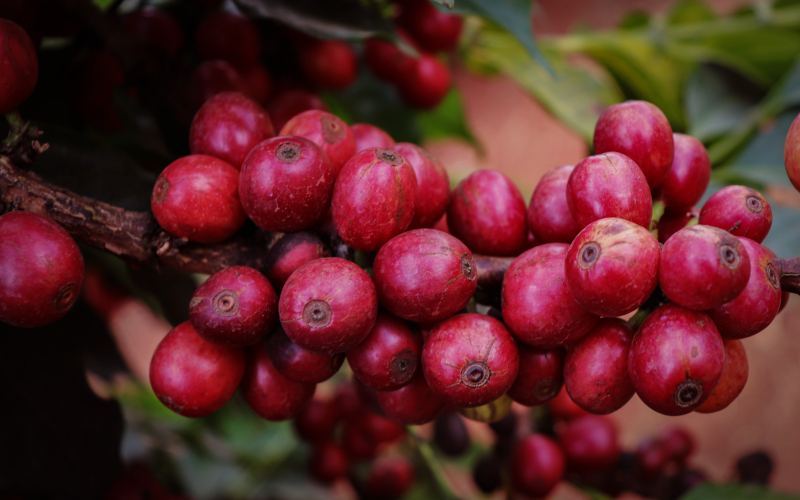
Kenyan coffee has long been renowned for its vivid fruit acidity and complex layers, making it one of the most distinctive origins in specialty coffee. This article focuses on Front Street Coffee's Little Tomato coffee beans, outlining their producing region, processing method, variety, and flavor characteristics, and analyzing the possible reasons behind the little tomato tonal quality. At the same time, from the two perspectives of high-altitude cultivation and volcanic soil, it explains the source of Kenyan coffee's bright acidity and full sweetness, and introduces the background and characteristics of the SL28 and SL34 varieties. Finally, it includes the pour-over parameters and brewing steps for Front Street Kenya Little Tomato, helping coffee lovers reproduce at home a clean, well-balanced Kenyan coffee with balanced acidity and sweetness. [more…]
Kenya Coffee Beans Pour-Over Guide: Front Street Cherry Tomato Water Temperature, Grind Parameters, and Flavor Formation Analysis
Kenyan coffee has always been a polarizing bean in the specialty coffee world—those who love it are captivated by its bright acidity and complex layers, while those who aren't used to it find it overly sharp. Front Street currently offers only one Kenyan bean, "Front Street Cherry Tomato," from the Asali washing station in the Thika region, using a 72-hour washed process, with varieties SL28 and SL34. This article will start with the specific details of this bean, trace where Kenyan coffee's high acidity comes from, analyze how altitude and volcanic soil shape its flavor, introduce the history and characteristics of the SL series varieties, and provide Front Street's standard pour-over brewing recipe, including water temperature, dose, grind size, and pouring rhythm, to help you recreate a clean-tasting cup of Kenyan coffee at home. [more…]
Does High Altitude Always Bring High Acidity? Decoding the Causes of Kenyan Coffee's Acidity and the Secrets of Terroir
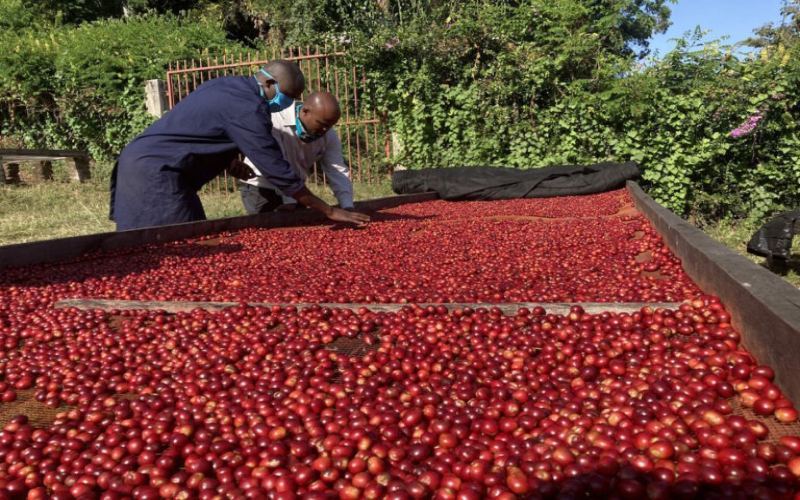
Kenyan coffee is famous for its full, delicate flavor and bright acidity, but where exactly does its acidity come from? Does higher altitude mean more acidic coffee? Using Front Street's Little Tomato coffee beans as an example, this article breaks down the logic behind the formation of Kenyan coffee's acidity and flavor from multiple dimensions, including the high-altitude volcanic soil of Kenya's Thika region, the characteristics of the SL28 and SL34 varieties, and the 72-hour washed processing method. It also includes the V60 brewing parameters and technique used at Front Street cafes, helping you understand why the same beans tend to brew up too sour or too bitter at home, and find the adjustment direction that suits you. [more…]
Kenyan Pour-Over Coffee Flavor Analysis: Characteristics of SL28 and SL34 Varieties and the Influence of Terroir
Kenyan coffee occupies a unique position in the global specialty coffee landscape, and its full, delicate flavors draw enthusiasts in droves. This article starts from the Kenya Asali AA Top Little Tomato coffee beans currently sold by Front Street Coffee, and takes a deep dive into the growing conditions, variety characteristics, and brewing key points of Kenyan coffee. The article focuses on how high altitude and volcanic soil shape the high acidity and complex sweetness of Kenyan coffee, and provides a detailed explanation of the origins, agronomic traits, and flavor performance of the two classic varieties SL28 and SL34. It also includes the standard pour-over parameters used at Front Street Coffee stores, helping readers reliably reproduce a delicious cup of Kenyan coffee at home. [more…]
Why Does Kenyan Coffee Have Fruity Acidity? A Detailed Guide to the Causes of Cherry Tomato Flavor and Pour-Over Water Temperature and Grind Parameters
Kenyan coffee is known for its bright acidity and complex flavors—some people are captivated by it, while others find it hard to accept. What exactly creates this polarizing taste experience? This article starts with Front Street's Little Tomato coffee beans to analyze the causes of Kenyan coffee's high acidity—how high-altitude cultivation and volcanic soil affect the ripening rhythm and sugar accumulation of coffee cherries—and introduces the characteristics of the two classic varieties, SL28 and SL34. It also includes Front Street Kenya Little Tomato's pour-over brewing standards, including a V60 dripper, 91°C water temperature, a 1:15 coffee-to-water ratio, 15 grams of coffee, and specific pouring techniques, to help you recreate a clean and bright cup of Kenyan coffee at home. [more…]
A Complete Guide to Kenyan Coffee Beans: Regions, Varieties, K72 Washed Processing, Flavor Profile, and Brewing Parameters
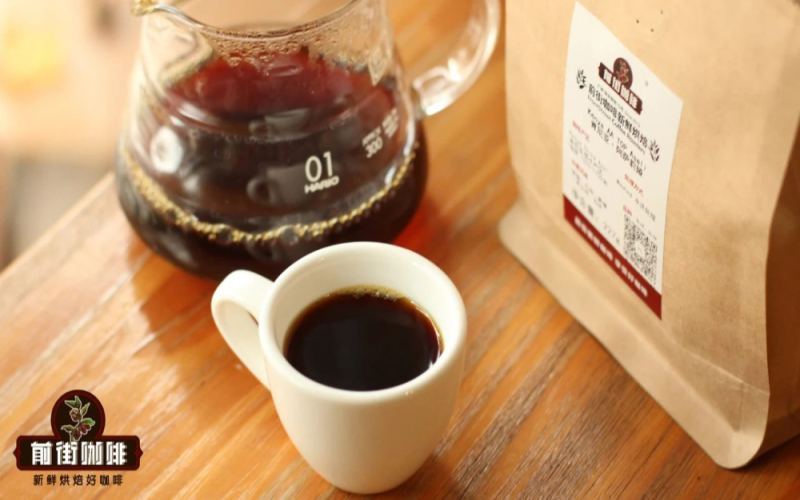
Kenyan coffee has always been famous for its full-bodied juiciness and bright acidity, but many people mistakenly believe that only a small-tomato note represents Kenyan flavor. This article provides a comprehensive overview of the core knowledge of Kenyan coffee, from the growing environment, auction trading system, and green bean grading, to the characteristics of the SL28 and SL34 varieties, the K72 washed processing method, and the six major producing regions including Nyeri and Kirinyaga. At the same time, Front Street Coffee uses two Kenyan AB beans to compare roasting, cupping, and brewing, guiding you through the flavor differences brought by different altitudes and producing regions, as well as grinding and brewing recommendations for Kenyan coffee. [more…]
Is Kenyan coffee's acidity a strength or a weakness? An analysis of the fruity notes brought by washed processing
Kenyan coffee occupies a very special place in the global specialty coffee landscape—some are captivated by it, while others find it hard to accept. Its distinct and complex acidity, paired with a full body and layered depth, draws countless coffee enthusiasts to it. This article starts from Front Street Coffee's currently available Kenya Asali AA Top Little Tomato coffee beans to take a deep dive into the sources of Kenyan coffee's flavor—the high-altitude growing environment, the mineral nourishment of volcanic soil, and the characteristics of the two classic varieties SL28 and SL34. At the same time, Front Street Coffee will also share the standard brewing parameters and techniques for these beans, helping you consistently recreate that cup of distinctly layered, sweet-and-tart Kenyan flavor at home. [more…]
Kenya AA Coffee Beans Top Picks: AA Grading Standards and FAQs on Cup Quality Explained
Kenya AA coffee beans have always been a hot topic in the specialty coffee circle. Many people's impression of Kenyan beans stops at the small tomato flavor, but Front Street Coffee believes that the core characteristic of the Kenyan producing region should be a thick, juicy mouthfeel. This article will unfold from aspects such as Kenya's coffee trade system, grading standards, six major producing regions, variety characteristics, and the K72 washed processing method, and through Front Street Coffee's comparison of roasting, cupping, and brewing of two beans—Nyeri Gachatha AB and Mugaya AB—will take you to a deeper understanding of the true character of Kenyan coffee, and explain the meaning of the AA grade and FAQ cupping quality. [more…]